
Fiji can give you a bright blue postcard day in July, a lush tropical afternoon storm in January, and a calm snorkelling morning in the shoulder months – sometimes all in one trip. That is why the best time to visit Fiji depends less on a single perfect month and more on the kind of holiday you want to have.
If you are planning island time in the Mamanucas, a family break near Denarau, a Coral Coast escape or a few adventure days around Pacific Harbour, timing matters. Weather, humidity, marine visibility, school holidays and resort pricing all shape the experience. The good news is that Fiji is a year-round destination, and each season has genuine advantages if you know what to expect.
Best time to visit Fiji by season
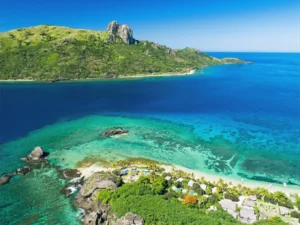
Fiji has two broad seasons. The dry season generally runs from May to October, while the wet season usually falls between November and April. That sounds simple, but conditions can vary by island, coast and even time of day.
The dry season is the most popular period for international visitors, and for good reason. Days are usually sunnier, humidity is lower, and temperatures feel more comfortable for touring, walking and full-day excursions. This is when many travellers feel Fiji is at its easiest – easier for island transfers, easier for outdoor activities, and easier for those who prefer mild tropical weather rather than heavy heat.
The wet season is warmer, greener and often quieter. You can still get beautiful sunshine, especially in the mornings, but you are more likely to have short, heavy rain and humid afternoons. For some travellers, that is not a drawback at all. It can mean better value, fewer crowds and a more relaxed pace at resorts and attractions.

May to October – dry, popular and easy to plan
For many visitors, this is the best time to visit Fiji. Expect daytime temperatures that are warm rather than stifling, pleasant evenings, and a lower chance of disruptive rain. If you are travelling with children, older family members or anyone who prefers comfortable conditions, these months are often the safest choice.
This period is especially good for island-hopping, scenic cruises, sightseeing tours and cultural experiences. You are more likely to enjoy clear views, smoother travel conditions and long days outdoors without feeling wrung out by the humidity.
The trade-off is demand. School holiday periods can book quickly, popular resorts carry higher rates, and the best tours often fill earlier. If you want the convenience of peak season without the biggest crowds, late May, June and early September are particularly attractive.

November to April – warmer, greener and often better value
This is Fiji at its most tropical. The landscapes look lush, waterfalls are lively, and the sea is warm enough to spend hours in. If your holiday priorities are pool time, resort relaxation, spa days and a few well-timed excursions, the wet season can be excellent.
December and January are busy because of festive travel, even though they sit in the wetter part of the year. Outside that peak holiday window, you may find more attractive pricing and greater room availability. Couples and flexible travellers often do very well during these months.
The main consideration is weather variability. You might have three gorgeous beach days followed by one stormy afternoon. Cyclone season also falls within this period, typically from November to April, so travel insurance and flexible planning are sensible.

The best time to visit Fiji for beaches and island days
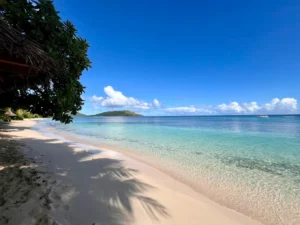
If your ideal Fiji holiday means white sand, calm water and long beach days, aim for the dry season, especially June through September. These months usually bring the most comfortable beach weather, with less humidity and more reliable sunshine.
The Mamanuca Islands are particularly appealing during this period. Clearer skies and pleasant temperatures make it easier to enjoy full-day cruises, snorkelling stops and sandbar visits without feeling overheated. The Yasawas also shine in the dry season, especially for travellers wanting a more remote island feel with excellent swimming and postcard-style scenery.
That said, shoulder months such as May and October can be a smart choice. You still have a strong chance of beautiful weather, but with a slightly softer price point and fewer people competing for the best poolside spots.
Best time to visit Fiji for snorkelling and diving
Marine conditions are one of the biggest reasons travellers ask about timing. If snorkelling and diving are high on your list, visibility and sea conditions matter just as much as air temperature.
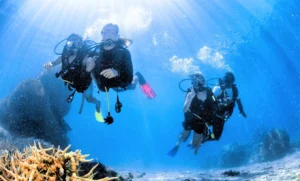
The dry season generally offers the most reliable conditions for underwater activities. From around May to October, seas are often calmer, visibility can be excellent, and boat trips tend to be more comfortable. This is a great window for reef trips in the Mamanucas and Yasawas, as well as marine adventures further afield.
Warmer water in the wet season can still be lovely for swimming and snorkelling, but heavier rain and wind may reduce visibility on some days. If you are building your whole trip around the reef, the dry season is the safer bet. If snorkelling is just one part of a broader holiday, summer can still work beautifully with a bit of flexibility.
Best time to visit Fiji for families
Families usually get the best balance in June, July, August and the September school holiday period, when weather is mild and day trips are easier to enjoy with kids. Transfers tend to feel smoother, beach time is more comfortable, and there is less chance of a washout affecting the whole day.
The obvious catch is that these are popular travel windows. Flights and accommodation can be dearer, and family-friendly resorts can sell out early. If your dates are fixed to school holidays, booking well ahead is worth it.
For families with pre-school children or more flexible schedules, May and October are often underrated. The weather is still appealing, but the overall pace can be a little easier and better value.
Best time to visit Fiji for honeymooners and couples
Couples often have more freedom to chase either perfect weather or better value. If you want Fiji at its classic best, the dry season delivers those romantic beach sunsets, easy day touring and comfortable evenings for waterfront dinners.
If you are more interested in privacy and value, late October, November or March can be appealing. You may get excellent resort deals and a quieter atmosphere, especially outside major holiday periods. The weather is less predictable, but for many couples that is a fair exchange for a more relaxed and intimate stay.
Cheapest time to go to Fiji
The cheapest time to visit Fiji is often during the wetter months outside festive travel, particularly February, March and sometimes November. Prices can be lower on accommodation and selected tours, and there is often more availability across popular regions.
This does not mean those months are poor for travel. It simply means you need the right expectations. Build in some flexibility, choose accommodation that you will enjoy even during a rainy afternoon, and avoid packing every day with non-refundable outdoor plans.
For travellers who care more about value than textbook weather, this can be a very smart way to experience Fiji.
Regional differences matter more than many travellers expect
One of the most common planning mistakes is treating Fiji like a single weather zone. Conditions can differ between the mainland and outer islands, and between coastlines.
Nadi and Denarau are often the practical arrival point for visitors, and they sit in one of the drier parts of Fiji. That is helpful if you are staying nearby before heading to the islands or joining day tours. The Coral Coast can experience changing weather patterns depending on where you are based, while Pacific Harbour may feel greener and wetter at times.
This matters when you are splitting your holiday across regions. A trip that combines a mainland stay, island transfers and a few guided tours benefits from timing that suits the whole itinerary, not just one destination.
So, what is the best time to visit Fiji?
If you want the simplest answer, June to September is the most reliable all-round period. Weather is comfortable, beach conditions are appealing, and it is ideal for first-time visitors who want an easy, confidence-building Fiji holiday.
If you want a balance of good conditions and better value, May and October are often the sweet spot. Many seasoned travellers consider these shoulder months the real winners.
If your priority is lower pricing and you do not mind a tropical weather pattern, November to March can work very well. You may trade some certainty for savings, but you can still have a brilliant holiday.
The best trips are not built around weather alone. They come together when your travel dates, budget, activity list and preferred pace all line up. That is where local advice makes a difference. A family with young kids, a couple planning island time, and a traveller fitting in cruises, transfers and day tours will not all need the same answer.
Fiji rewards good timing, but it also rewards flexible expectations. Pick the season that suits your style, leave room for a little island unpredictability, and you will still end up with the part that matters most – a holiday that feels easy, memorable and unmistakably Fiji.